Every account you close has an ACV of $1,037. Your commission percentage scales as your revenue climbs — the more you produce, the higher your cut.
$1,037ACV per account
25–75%Commission scale
TWO WAYS TO GET PAID
W-2 vs. 1099.
An hourly paycheck or commission-based income. Understand the upside—and the responsibility—of each.
W-2 Employee · hourly role
Your time sets your pay.
The company directs how you do your job. In an hourly role, you’re paid for the hours you work. The company takes taxes out of your paycheck.
THE PROS
“Stable” pay.A set hourly rate and a regular paycheck for the hours you work.
Paid for your work.You’re owed your agreed wages for hours worked, even if you don’t close a sale.
THE CONS
Your employer sets your rate.You earn the rate they offer—not automatically the value you create.
Your upside has limits.Your earnings are tied to your hourly rate and the hours available.
Twice the effort doesn’t mean twice the pay.A $1 or $2 hourly raise is still tied to hours. Doubling your income may require a promotion, a different job, or a major pay change.
You’re paid for time.Better skills and stronger results don’t automatically change your paycheck.
1099 Independent contractor · commission sales
Your results drive your pay.
At Rally, you earn commission on eligible accounts you sell. You’re responsible for your business expenses and taxes, rather than having them routinely withheld from a paycheck.
THE CONS
No guaranteed paycheck.Income can change from week to week. Selling more takes consistent work.
You handle your taxes and expenses.Plan for income tax, self-employment tax, estimated payments, and your own benefits.
Not every dollar arrives upfront.Backend depends on eligible accounts that stay active and pay. Cancellations and deductions can reduce earnings.
THE PROS
More control over your income.Want to earn more? Improve your skills and sell more. Rally’s training and leadership help you work toward stronger results, day by day, week by week, and month by month.
Paid for skill and results.Your commission is tied to the business you produce—not simply the hours you put in.
Build toward bigger increases.Stronger production and higher commission tiers can grow your income beyond a small hourly raise. Doubling your earnings is a goal you can work toward, not a guarantee.
Let your results show your value.Under the commission plan, the more eligible business you produce, the more you can earn.
This compares a typical hourly W-2 role with commission-based 1099 sales—not every employee or contractor job. “Stable” does not mean guaranteed hours or permanent employment. Worker classification depends on the actual working relationship. Employee vs. contractor basics.
YOUR COMMISSION SCALE
Your season. In numbers.
Choose your tier. Tap any revenue level to see your upfronts, backend, and bonuses.
Tap any revenue level to see your breakdown.
Tier 1 pay scale: season revenue and commission rate
Revenue
Your rate
25%
30%
32%
35%
37%
41%
45%
52%
56%
60%
75%
YOUR EARNINGS BREAKDOWN
Your sales commission
Upfronts
Backend after expenses Rent bonus shown separately
Summer rent · fixed
Rent bonus back
Free trip non-cash reward value
Total cash earnings
Upfronts are already included in sales commission. Estimated accounts use $1,037 ACV. Rent milestones do not stack; trip value is separate from cash. Uses fixed $1,037 ACV and $4,000 summer rent. Before taxes. Rewards require qualification.
THE BREAKDOWN
How you get paid.
EVERY WEEK · AFTER FIRST SERVICE
$75 upfront.
An upfront is the $75 you earn per account once the customer receives their first service, paid every week. For example, 10 serviced accounts = $750 in upfront pay.
10serviced accounts=$750upfront pay
It gives you money coming in throughout the season. That money counts toward your total commission, and the remaining balance is paid later through your backend, after accounting for customer retention and any deductions.
SCHEDULED CHECKS · REMAINING COMMISSION
Backend.
When you sell a pest-control account, you receive part of your commission upfront. The remaining amount is paid through scheduled backend checks, based on eligible accounts that stay active and pay.
HERE’S AN EASY EXAMPLE
You sell a $1,000 account at 50% commission:
Total commission
$500
Upfront payment
$75
Remaining backend
$425
Before any deductions or account adjustments.
RALLY / 2026
The work. The rewards.
Pick your milestone. Make it yours.
MANAGER TRIP01
$150K
CANCÚN
Free trip · $2,000 non-cash reward value.
SEASON REVENUE02
$75K / $150K
Rent back.
$1,000 at $75K · $3,000 at $150K. Rent bonuses do not stack.
SERVICED REVENUE03
$200K
Apple or sneaker pack.
Apple pack: $1,500 value.
SERVICED REVENUE04
$300K
Vegas. UFC. You + 1.
Flights + hotel included.
SERVICED REVENUE05
$400K
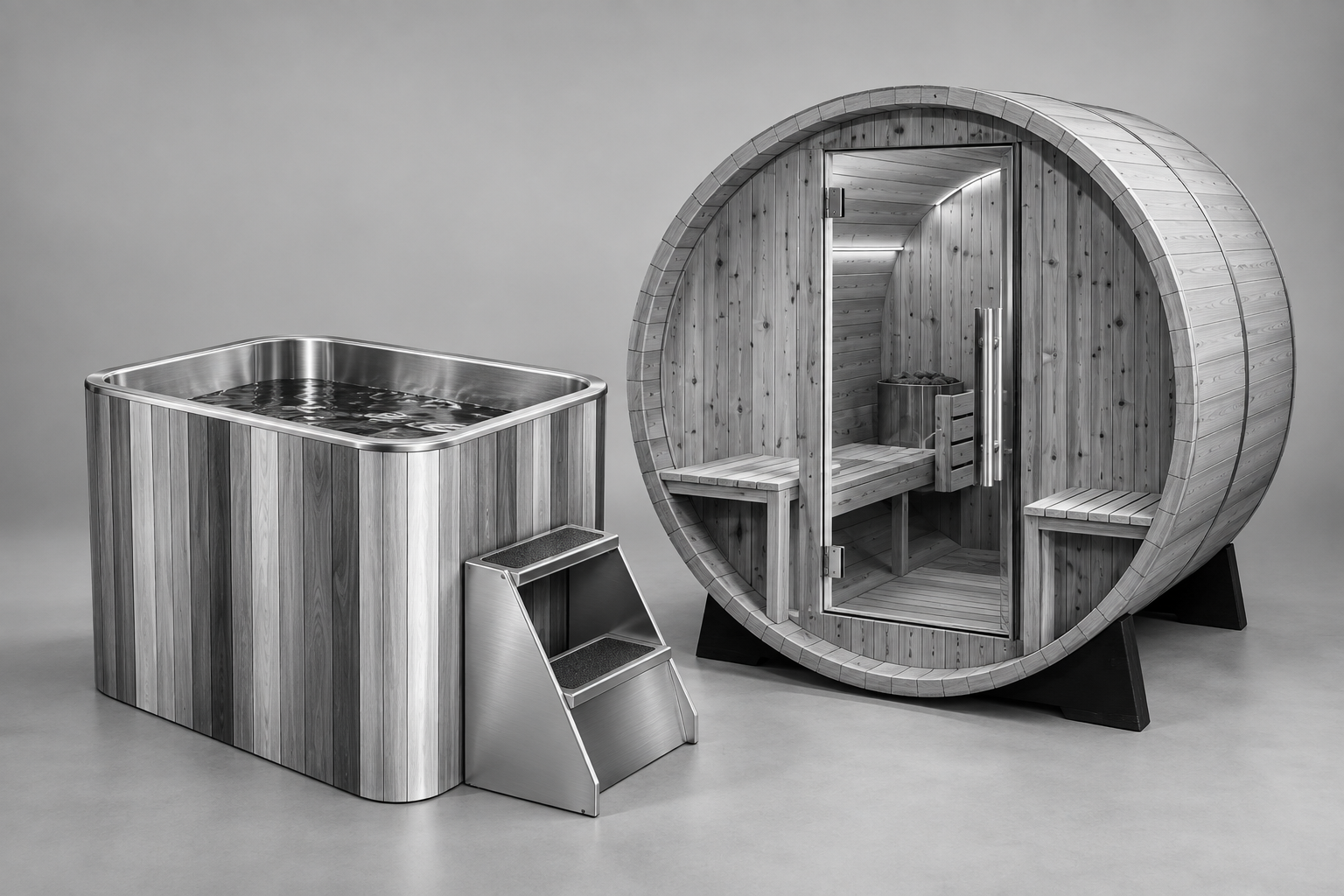
Cold plunge or sauna.
SERVICED REVENUE06
$500K
The Rolex.
Return for the 2027 season. Rewards above the manager trip do not stack. Retention below 65% qualifies for one tier below.
Rent reimbursement follows your agreement. Incentive images are illustrative; specific models and destinations may vary.